Eiffel Tower Engineering - Innovations That Changed Modern Architecture
Discover the revolutionary engineering principles behind the Eiffel Tower and their influence on modern structural design.
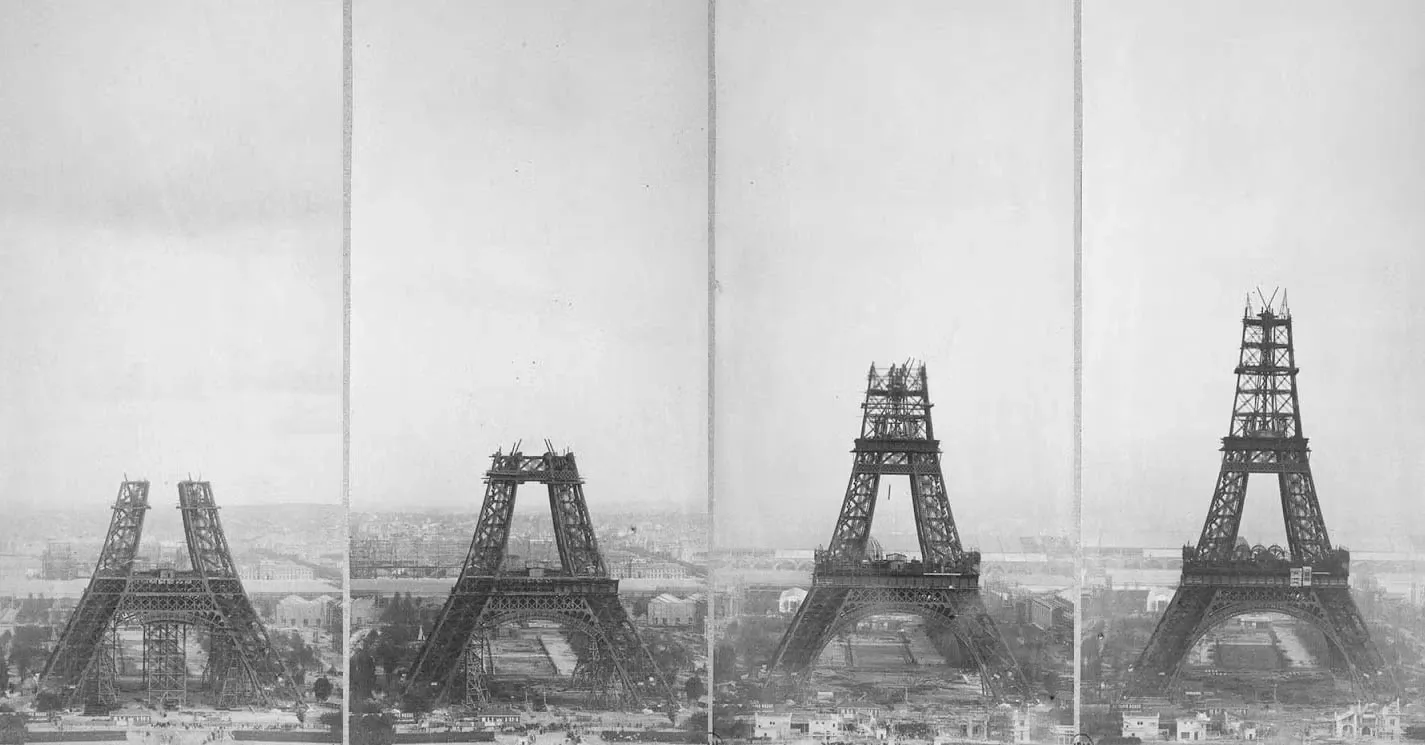
When Gustave Eiffel proposed building an iron tower over 300 meters tall, critics scoffed.
Yet what emerged in 1889 was not just a structure, but a technological revolution that reshaped engineering forever.
⚙️ The Science Behind the Structure
Eiffel’s team used mathematical precision and scientific reasoning to design a structure that could withstand immense forces:
- Wind resistance calculations ensured stability during storms
- Parabolic curvature of the legs minimized lateral stress
- Prefabrication techniques enabled rapid on-site assembly
This was among the first projects to combine art, physics, and industry seamlessly.
🧮 Data-Driven Design
Gustave Eiffel’s engineers calculated every bolt, beam, and rivet — all by hand.
They pioneered the use of wind tunnel testing and dynamic stress analysis, techniques that later defined modern engineering.
🏗️ Legacy of Innovation
The Eiffel Tower paved the way for steel skyscrapers and large-scale bridges.
Its influence is visible in the works of later architects like Le Corbusier and Norman Foster.
“It is the skeleton of the modern city — exposed, elegant, and eternal.”
— Structural Engineer’s Journal (1890)
저자 소개

Engineering Historian
파리를 사랑하는 여행 작가로서, 방문객들이 에펠탑의 마법과 이야기를 경험할 수 있도록 이 가이드를 만들었습니다.
Tags
Comments (0)
Loading comments...