訪問時間休館 (Closed for the day)
|火曜日, 12月 16, 2025Alemdar, Yerebatan Cd., 1/3, 34110 Fatih, İstanbul, Türkiye
戻る history
strategy
Why Cisterns Were Strategic: Basilica Cistern’s Role in Defense
How water infrastructure underpinned Constantinople’s endurance through sieges and shortages.
12/16/2025
10 min read
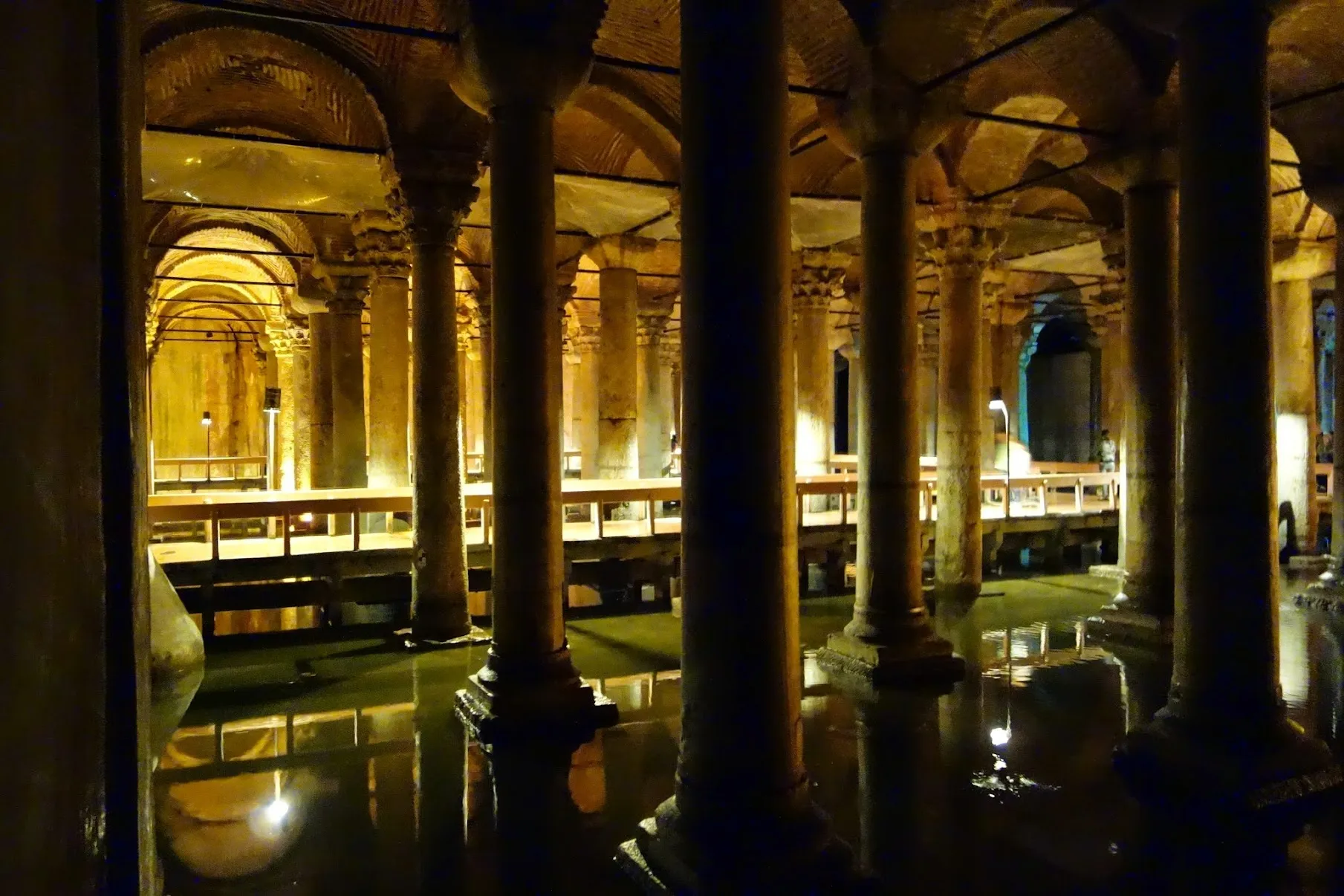
Quick take: The Basilica Cistern and its interconnected reservoirs enabled long-duration siege survival, stabilizing the city’s water supply when aqueducts were compromised.
Overview
- In siege conditions, stored water meant cooking, sanitation, firefighting, and troop endurance.
- Distributed cisterns across the city reduced single-point failure.
- Hidden maintenance routes protected crews from enemy observation.
Water as a Defense Asset
- Supports food prep and medical care.
- Reduces fire risk during bombardments.
- Keeps morale and order stable.
Networks & Redundancy
- Multiple cisterns fed palaces and districts.
- Local wells + storage buffered supply when aqueducts were cut.
- Emergency rationing balanced elite and civic needs.
Logistics Scenarios
- Aqueduct disruption → switch to cistern reserves.
- Gate control → prioritize palaces, hospitals, bakeries.
- Repair windows → night crews using lamps and quiet corridors.
Visiting Angle
- Walk the aisles imagining crisis logistics: carriers, torchlight checks, silent work crews.
- Read signage for pipeline routes and restoration notes.
FAQ
- Did cisterns decide battles?
- They didn’t fight, but they kept cities alive.
- Were networks mapped?
- Partly; many routes are reconstructed from archaeology.

Bottom Line
Water infrastructure was defense infrastructure — and the Basilica Cistern was central to Constantinople’s long endurance.
著者

Istanbul Planner
バシリカ・シスタンを、静けさと文脈と配慮をもって味わってほしい。その願いからこのガイドを作りました。半暗がりで、レンガと水と時間がはっきり語るために。
Tags
Constantinople
defense
cisterns
siege
Basilica Cistern
Comments (0)
Leave a Comment
Loading comments...